It's rare to find a business-to-consumer brand with an offline presence that doesn't utilise carrier bags. They're an essential functional item that make it simpler to store and transport bought goods. Printed carrier bags add an important extra function to the standard carrier bag, turning them into a marketing tool that embodies and showcases your brand.
This functionality is so important that carrier bags are commonly utilised outside of the retail & commerce arena by brands to showcase their style and elegance. Bags are regularly utilised by some of the world's biggest brands for corporate events and showcases, highlighting the true value of branding your carrier bags and elevating your service experience.

The most common, cheapest, and most popular material for a carrier bag. Simply saying the word carrier bag creates an image of a polythene bag in your head. These bags are strong, versatile, easy to store, and come in a range of different configurations. They're also easily printable, and are the best option for brands looking for a cost-effective solution.

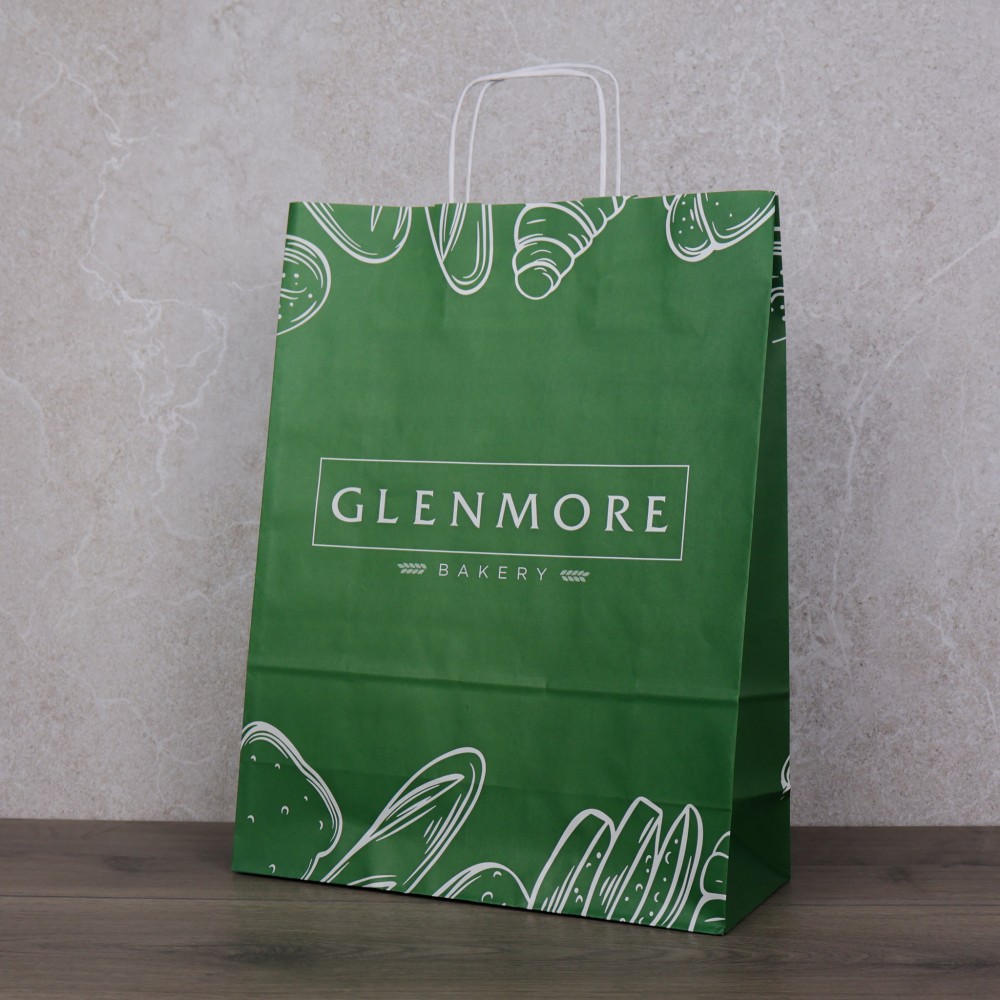
The most like-for-like alternative to a plastic bag. Paper bags are inexpensive, completely customisable, easily recyclable and have a rustic look and feel. Often considered the greener option, these bags are ideal for businesses looking to mitigate the plastic carrier bag charge.

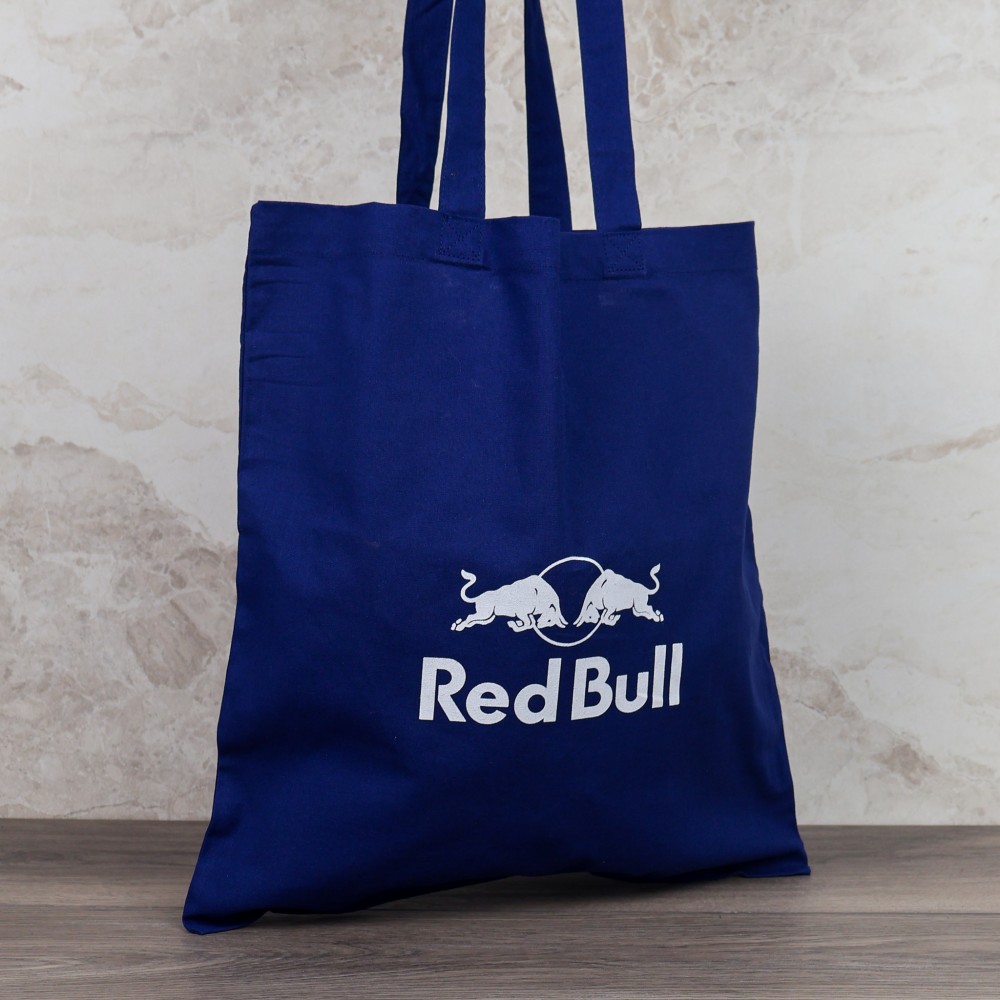
Fabric carrier bags, otherwise known as tote bags, or 'bags for life', are the most reusable and ergonomic of all printed carrier bag types. Perfect for retail and events, and coming in a range of materials and configurations, fabric bags are incredibly versatile and reliable.

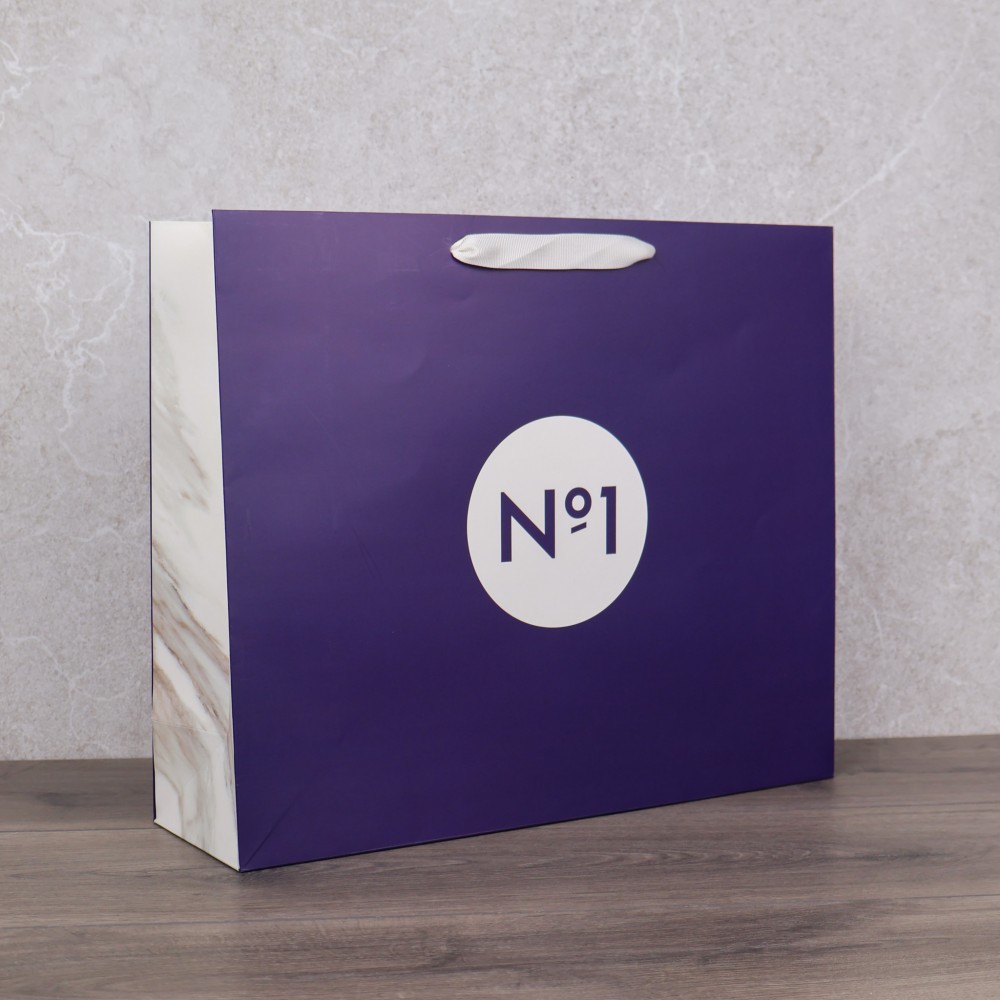
Luxury carrier bags are the most high-end printed carrier bag. With full control over design, print, handles and features, these are truly the most bespoke bag available. These bags are ideal for high-end retailers or classy events, levelling up your printed carrier bag from an afterthought to a core branded asset.

Whether you're hosting your own, or attending an event as an exhibitor, printed carrier bags are a must-have item for your brand. For corporate or hosted events, a luxury printed carrier bag tends to be favoured for its classy and elegant look and feel. For exhibitors at conferences, printed cotton tote bags are the way to go, perfect for holding event paraphernalia and free goodies.
Learn More
Printed carrier bags for retail are by far the most popular bags we supply, with carrier bags being a crucial step in the retail experience. The right printed bag with the right branding can make a real impact on the wider service experience and further extend the impact of your branding & messaging to continue long after customers leave your store
Learn More
Fashion is all about the look, and it's no different when it comes to printed carrier bags. Your brand carries weight, whether adorned on the front of a t-shirt or across the face of a luxury carrier bag. Getting the look and feel of your entire retail experience consistent is crucial for maintaining the impact of your brand's image - it starts with the clothes and it ends with the bag.
Learn More
Beauty & cosmetic brands are epitomised by their characteristics and values. Packaging & carrier bags are important, as they reflect the brand's approach to the environment through material choice and sustainability initiatives. Your printed carrier bag needs to be reflective of your brand and values, both in terms of social responsibility and style.
Learn More
Gift bags are a quintessential component of drinks products, to such an extent that a quality printed gift bag can add value to both the product and sales experience. A drinks bag is more than just a carrier bag, it's the actual product packaging, and needs to be eye-catching and stylish.
Learn More
When it comes to food, a printed carrier bag needs to be more than just stylish and functional. Considerations with regards to hygiene and material integrity are important to ensure both the food contents and the carrier bag itself are never compromised at any point.
Learn More
There are multiple facets to the environmental discussion, all of which need to be balanced and addressed carefully by businesses.
Read MoreEnvironmental impact is the first, and most important facet – reducing this is key, both in terms of ethical responsibility and pioneering innovation. Failure to acknowledge and address this through genuine action goes against the collective responsibility of UK businesses to maintain and care for our planet.
The second facet, and often the most difficult to balance, is a business’s perceived impact. Many businesses' environmental policies are less motivated by achieving sustainability and eco-friendliness, and more a ‘tick-box’ exercise to present an outward appearance of environmental friendliness. It’s clearer than ever that green credentials are a core part of the value proposition presented by brands – over ¾ consumers consider this as an important factor when shopping, and over half state they’re willing to pay more for eco-friendly brands.
The trickiest part of this facet is finding a balance between doing what’s perceived as positive in order to tap into the marketing benefits of outwardly obvious green activities and actually achieving positive impact through choices and actions. For example, the choice of paper as a carrier bag or packaging material is often perceived as more environmentally friendly than a plastic carrier bag. Plastic has connotations associated with littering, landfill, and pollution, whereas paper is associated with sustainable production materials and recyclability. It’s these psychological connotations that can be both positively and negatively impactful for brands, as consumers, whether correctly or incorrectly informed, will make quick judgments on a brand based on these factors. The value of a positive perception can be the difference between a customer deciding to purchase or not – but it can also be the difference between viral attacks on the brand for its decisions. When it comes to paper vs plastic, there’s lots of evidence to suggest that paper is actually a more environmentally damaging material than plastic. This is mostly due to the inefficiency of its production and the destruction of forests for its material requirements. Plastic on the other hand utilises otherwise waste products in its production and is also recyclable.
When it comes to printed carrier bags, the perception argument is always a big factor for brands in choosing their carrier bag material. Whether your consumers respond positively to your actions is important, but not as important as making the best-informed choices. These choices can still have the same impact on perception, as long as they’re followed up by data-led justification that is communicated simply and effectively to your consumers. In that way, not only are you helping improve the environment and ensuring your consumers are responding positively to your actions, you’re also helping change the narrative away from preconceived and ill-informed judgements about what is good, and what is not.
The most environmentally conscious brands make their bag decisions based on the net benefit of each material. Biodegradable options such as jute and potato starch are often the most favourable amongst these brands, as they have the largest net-positive benefit on the environment. Plastic & paper have their benefits & drawbacks, and brands should research individual impacts and make data-led decisions before making a choice on bag material. Fabric options such as cotton, canvas and polypropylene also have their pros and cons. Reusability is a significant factor in the favour of fabric options – something that does not tend to be a strength of single-use options like paper and plastic. However, encouraging consumers to reuse these bags to such an extent whereby they offset the environmental cost of their production, is crucial to avoiding them becoming a net-negative option.

There's a wide spectrum of considerations when it comes to printed carrier bag quality, ranging from minimum standards of material robustness to finer details and finishing touches.
Read MoreCarrier bags are required to perform a function, and this can range in intensity from brand to brand. For instance, carrier bags intended to carry large, sharp and heavy fishing equipment will differ significantly to bags that are intended to carry jewellery. Unprinted bags tend to exist simply to serve the purpose of carrying items, for whatever use case. When it comes to a printed carrier bag, there’s a heavy focus on the bag design and its marketing functionality, which shifts more emphasis on the finer details and material quality.
Different suppliers will manufacture bags using different materials, and source their bags from different places. Oftentimes, the adage ‘you get what you pay for’ tends to apply, with suppliers that offer cheaper unit prices and lower customisation flexibility tending to opt for lower quality materials in favour of undercutting the competition on price. This applies to both the cheaper carrier bag options, plastic & paper, as well as your fabric & luxury bag options. Material choice is a crucial factor in creating a bag that looks and feels like it’s good quality, as well as meeting most functional requirements with regards to strength. We believe that there is a minimum requirement when it comes to bag quality, a threshold past which a printed carrier bag no longer becomes good value for money because the look, feel and strength are not at a high enough standard. This means we may not always be the cheapest choice, and the products we recommend for industries and use cases may not always include the cheapest bag option. However, we uphold these minimum standards to ensure your end product will always look how you expect, and function as you intend, with customer feedback and reviews consistently positive with regards to product quality.
Print quality is also a complex topic, and it ranges in terms of both your bag print flexibility, print colours & the ability to match exact brand colours, and the quality of your bag’s print.
Typically, bag quality is measured by the thickness and strength of a material. Vest-style plastic carrier bags are made from thin polythene material, whereas punched-out handle, patch handle, and loop handle plastic bags are all made from a thicker polythene material. Standard paper bags are made from thin paper materials, whereas luxury kraft paper bags are typically made from a more card-like paper material. Fabric bags can come in a range of thicknesses - the thicker the bag, the higher the quality of both the look and feel of the bag.
If you’re looking for the highest quality carrier bag available, a laminated luxury bag is the ideal choice. Luxury bags give you full flexibility with regards to customisation, both in terms of print and bag features. The lamination of the bag also reinforces the paper material, strengthening the bag and improving its resistance to liquid damage. Lamination can either be matt or glossy, giving you full control over the look and feel of the bag, achieving the level of quality in terms of look and feel that you desire. When it comes to a luxury gift bag, there should be no compromise on the quality of the bag material. Flimsy luxury bags are not luxury, and as a result we only use the highest-quality materials, from paper to lamination, to handles and additional features.

Cost is one of the most important factors when choosing the perfect printed carrier bag, both in terms of the base cost of a material choice and the extra cost of additional features.
Read MoreCarrier bags are, very often, a cost to a business. Something that does not generate revenue but is required for the business to provide their service in the way customers would expect. Even when customers are charged for carrier bags, this is usually a result of legal requirement (the plastic carrier bag charge, for instance) or to cover the cost of the bags. It’s more of a fringe case where businesses will intend to profit from carrier bag sales.
In the context of events, carrier bags are an essential part of a cohesive branded merchandise offering but their cost needs to be factored into a tight budget. Often, the quantity required is pre-set based on expected attendees, with the specification and bag type then chosen based on what can fit into the budget.
Cost is always a consideration, whether you’ve got a tight budget or you’re looking for large, regular orders of printed carrier bags. The cost of your order will depend heavily on the quantities you’re ordering, with larger orders presenting significant unit cost savings. There’s always a quantity where orders below a certain number of units have no cost difference, meaning that there is no cost benefit to ordering below this threshold. There’s a similar threshold when it comes to larger orders – most bag types have an absolute lowest unit cost. At the highest quantities, this will prove incredibly cost-effective and is always the best value-for-money option.
In terms of carrier bag material options, the most cost-effective choice is the plastic carrier bag. Plastic bags are simple to produce and easy to print. Plastic bags are also much thinner and lighter, saving on storage and shipping costs. Paper bags are the next-lowest cost bag, with the ability to also order in lower volumes than plastic bags, meaning these can be supplied at the lowest total cost of any bag type. Fabric bags can be ordered in the lowest quantities, with no real limit on the number of bags that can be ordered. Eco-friendly bag types such as potato-starch and sugar-cane bags are slightly more expensive as their materials require alternative manufacturing that’s not currently a standard and common approach. Luxury bags use high-quality materials, and are the most expensive carrier bag to order, but with no limits on customisation options, it is possible to find an incredibly cost-effective luxury option.
There are lots of customisation options for printed carrier bags which also have cost considerations to be aware of. For many carrier bag options, you will need to pay for the creation of your printing plates, though these can be reused for future orders if necessary. Certain print options, such as multi-colour prints and CMYK prints may also incur additional costs. Certain bag types such as twisted-handle paper bags, loop-handle polythene bags, and some fabric bags can have the option to customise your handle colours, and this may add extra cost to an order. Additional print features, most of which apply to luxury bags, such as embossing, debossing and hot foil finishes will also incur additional costs. There are also potential additional features that can be added to luxury bags, such as printed ribbon handles, printed bag interiors, and printed tissue paper, all of which will add further cost to an order.

Brands looking for a printed bag expect customisation flexibility, and depending on the bag type and quantities, the options available can vary significantly.
Read MoreCustomisation opportunities for printed carrier bags can extend from single colour prints on standardised bag sizes, to completely bespoke and unique bag designs. Customisation limitations will arise based on the type of bag you want, the location of the handle (internal or external to the bag), and your budget limitations. It’s well-understood that a plastic or paper bag is less customisable than a luxury bag. That doesn’t mean there’s no flexibility when it comes to creating a custom design – polythene & paper bags can come in different colours, have single & multi-colour prints, and can be CMYK printed with custom designs. Higher levels of customisation increase the complexity of your print job, meaning these will often only apply to higher quantities and may often increase the cost of an order.
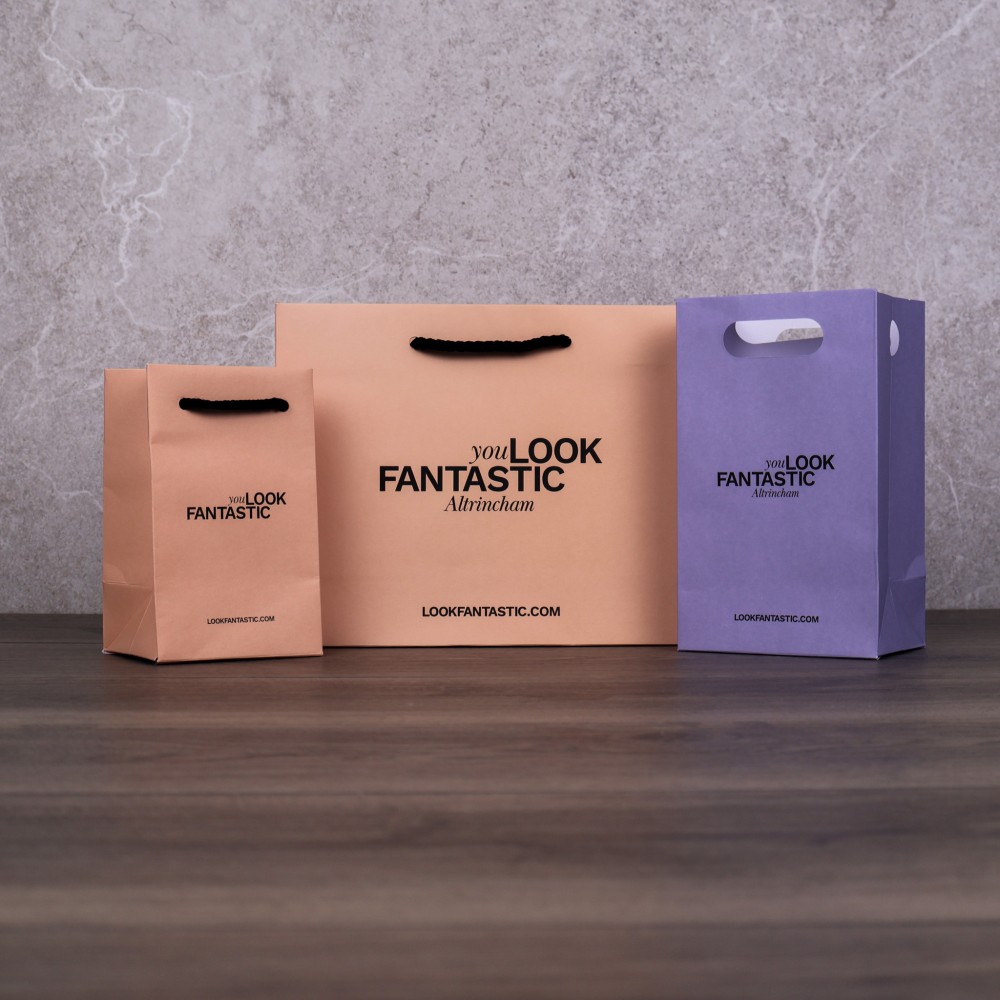
It's not just the printing of your bag that you can have control over, it’s also the bag’s characteristics. Ultimately, bags need to both reflect your brand as well as your chosen design. Depending on quantities, bags can be customised with fully bespoke elements that directly affect the look and feel of your bag. For instance, flat handle paper bags come as standard with the handles attached to the bag’s exterior, however for larger orders, these can be internally adhered. Twisted handle and flat handle paper bags, as well as loop handle plastic bags, can come with coloured handles that either match or contrast with the main colour of the bag. For die-cut style handles and punched-out or patch handle plastic bags, some brands like to incorporate the handle hole into the bag's design, creating a unique and imaginative printed bag that grabs people’s attention.
If customisation and control over your bag is the most important thing to you, and you care about additional details and quality touches, then a printed luxury bag is the perfect choice. Firstly, choose from either a matt laminated, gloss laminated or unlaminated kraft paper bag. Then, choose your size, for which there is no limitation. Either choose a standard size or go for something completely unique. Maybe you’ve got a simple, inoffensive design in mind, or perhaps you’re looking for something artistic and creative. With no limits on print colours and design (including printing inside the bag), you can customise the bag’s print in any way you’d like. When it comes to the bag’s handle, you have the choice between rope and ribbon, with multiple material options including polypropylene, paper and cotton. You also have control over additional print features such as embossing, debossing and hot foil finishes. Additional bag accompaniments such as printed ribbon and printed tissue paper are also available to create a truly unique bag for your brand.

An unprinted carrier bag is like a product with unbranded packaging. Printed carrier bag designs expose your brand and deliver your message to a wider audience.
Read MoreA printed carrier bag is often one of the most overlooked but important marketing tools for brands, particularly retailers. Carrier bags are unique in that they can’t really be described as a product – nobody goes shopping for carrier bags – but they serve such an important purpose for offline retail consumers that few transactions will occur where they’re not provided or purchased. As a result, consumers will only care about the bag’s functionality, and full control over the bag’s design is able to be leveraged by retailers to generate visibility of their brand and messaging.
This is key, because on the high street, consumers using brands’ printed carrier bags act as a walking billboard for their messaging. For fashion retailers, these bags can be great for generating cost-effective brand visibility amongst audience members that have a high level of commercial intent. For high-end retailers, a beautiful gift bag can be a signal to other potential customers of your brand’s quality, as well as showcasing the well-rounded service experience.
Perhaps one of the most important marketing functions of a printed carrier bag is its use in events. Event marketing is about creating a lasting impression, with cues to trigger brand recall and stimulate the emotions and feelings attendees developed about your brand at the event. Your salespeople spend most of their time at an event building relationships and conveying your brand’s value, and a printed carrier bag acts as a functional semiotic trigger to remind attendees of what your brand means to them. For event hosts, a printed carrier bag can range from being a functional receptacle for event paraphernalia to a luxurious, stylish reminder of your brand’s non-tangible assets. How you utilise a printed bag is up to you, and with the array of options and customisability, the marketing potential available to brands is limitless.

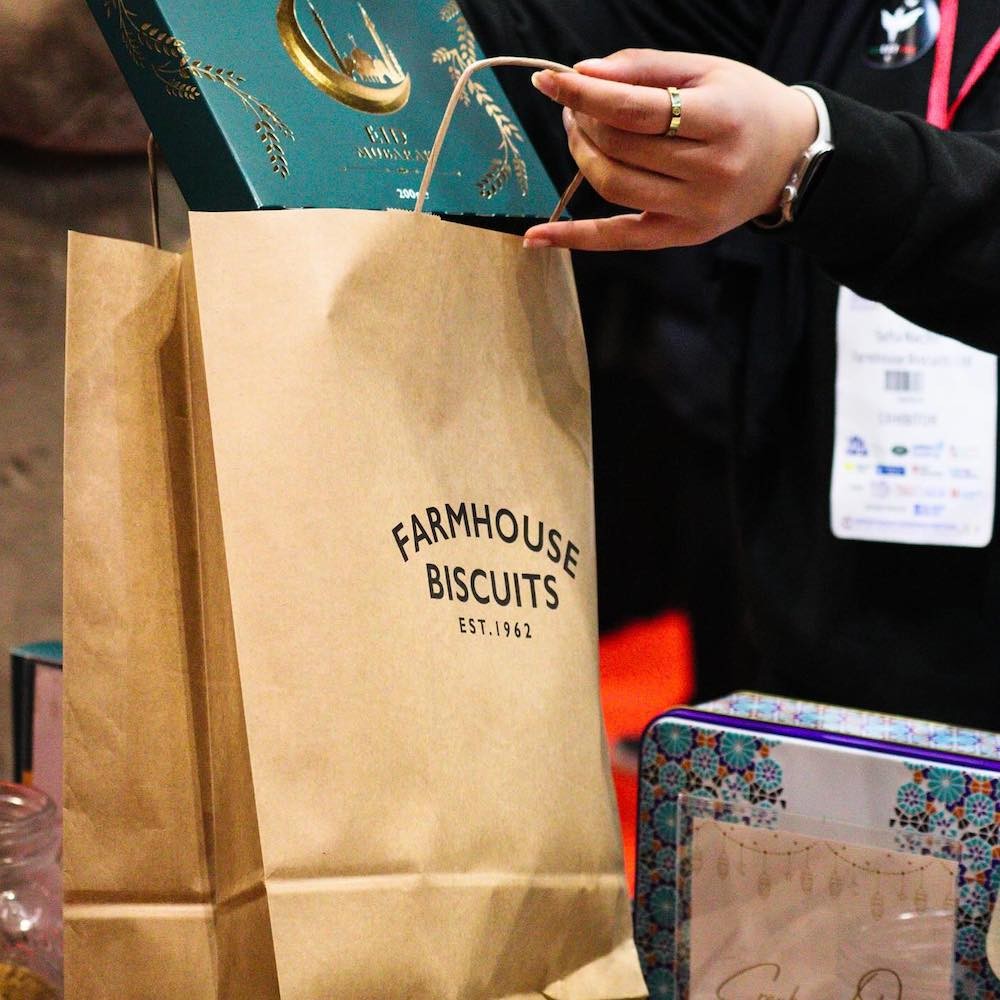
From what was once a simple, functional receptacle to what is now an essential marketing tool for retailers across the world, the carrier bag is an often overlooked but essential part of our daily lives. We take for granted how simple and easy carrier bags make once complex tasks, and it’s easy to forget that there was once a time when these items did not exist. From the humble beginnings of the first paper carrier bags to the modern-day printed bags, we will explore the complete history of the carrier bag.
Read More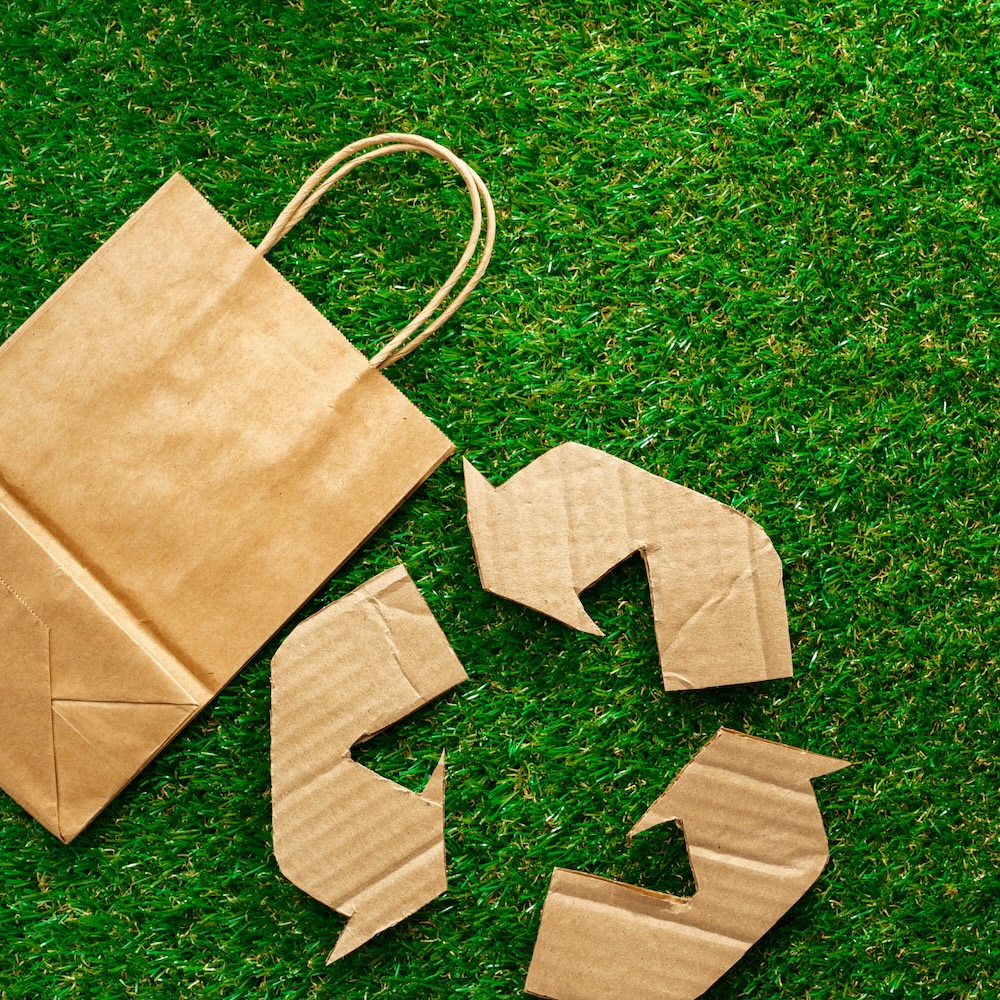
Many brands treat their carrier bag eco-consciousness as a simple switch from plastic bags to paper bags. If only it were that simple. The perception versus reality gap in what makes an eco-friendly carrier bag is stark, and leveraging this is a clever but damaging tactic employed by big industry players to greenwash their brand. Breaking it down into production, utility and disposal, we explore the true impact of printed carrier bag material choices..
Read More